This week, Australia is experiencing its most intense heatwave in years. The Bureau of Meteorology has issued severe to extreme heatwave warnings across multiple states, with daytime temperatures in some regions forecast to exceed 45 °C. Heatwaves are Australia’s deadliest natural hazard and put pressure on health, ecosystems, infrastructure and power supply — so knowing how to prepare at home really matters.
People are encouraged to seek cool places (homes, libraries, community centres or shopping centres) and to block out heat early with blinds, curtains and awnings. While many of us can cool down indoors with air conditioners and fans, plants and wildlife can’t. The good news is that we can help! Following the simple, sustainable steps below will help your garden survive and give local animals a hand until temperatures ease.
Prepare your garden for the heatwave
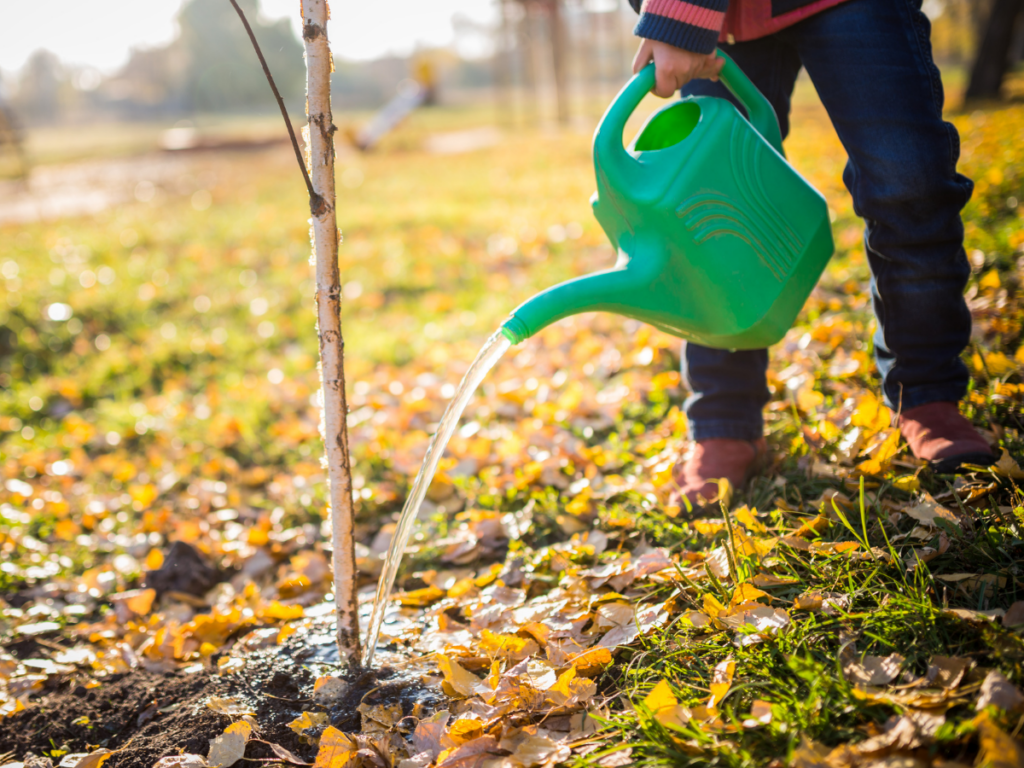
Water deeply and early: Give plants a thorough soak in the early morning so moisture reaches the root zone before evaporation ramps up. Prioritise new plantings and heat‑sensitive crops.
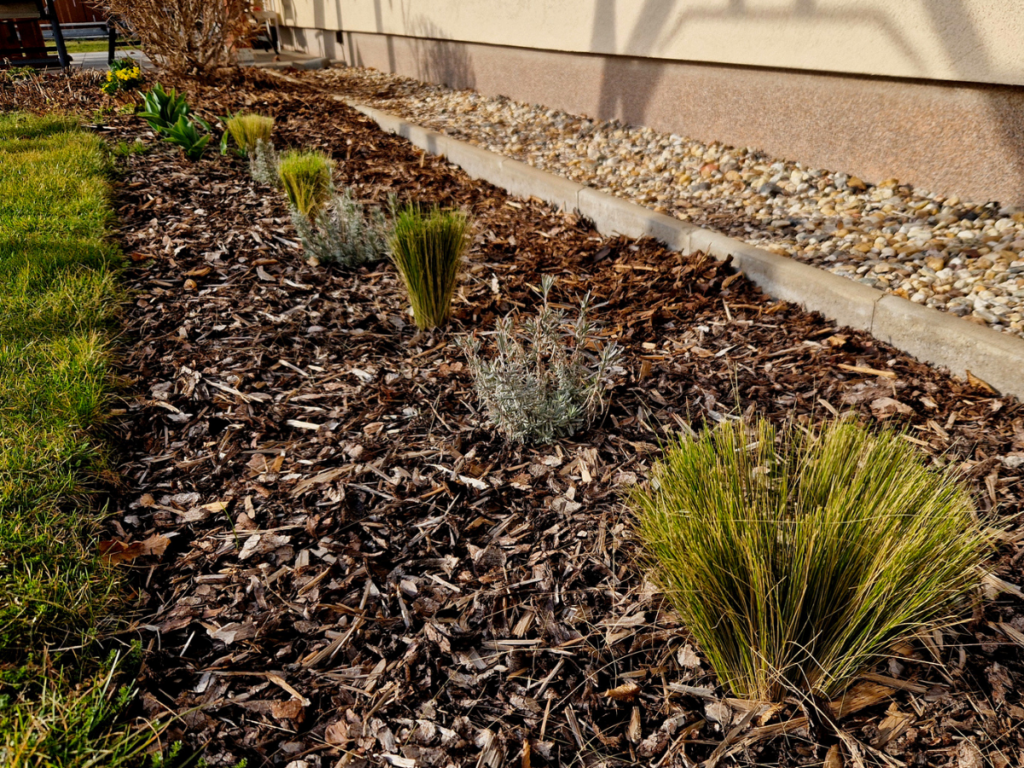
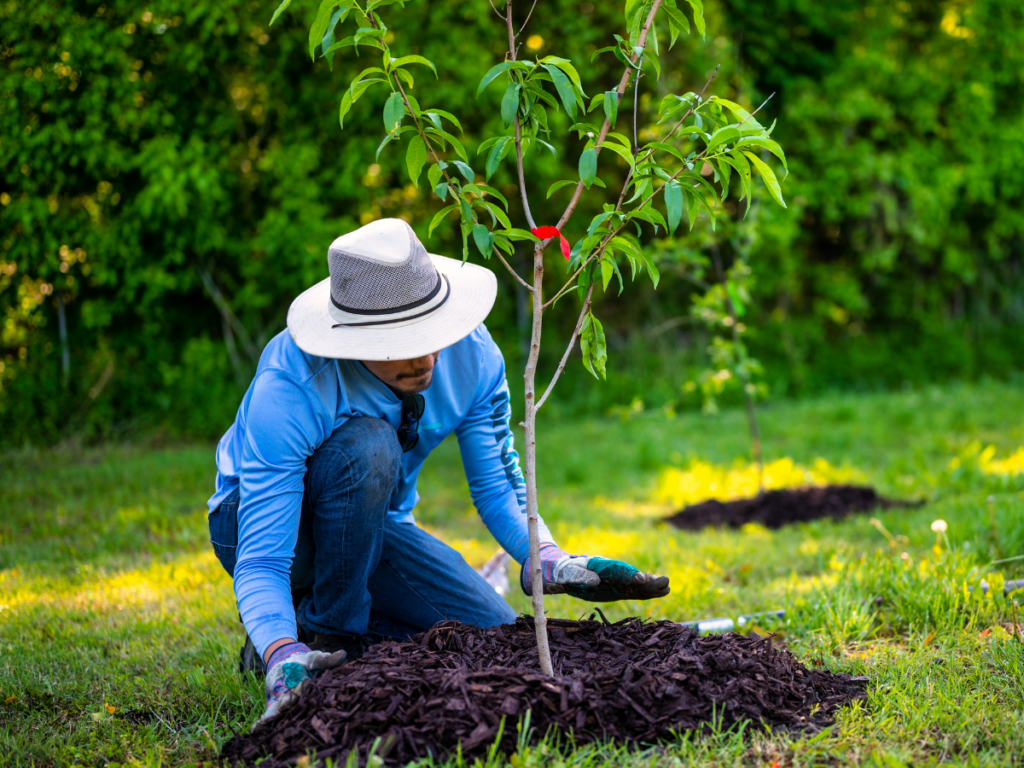
Mulch and cover bare soil: A generous layer of organic mulch reduces evaporation, insulates roots, and supports soil life.
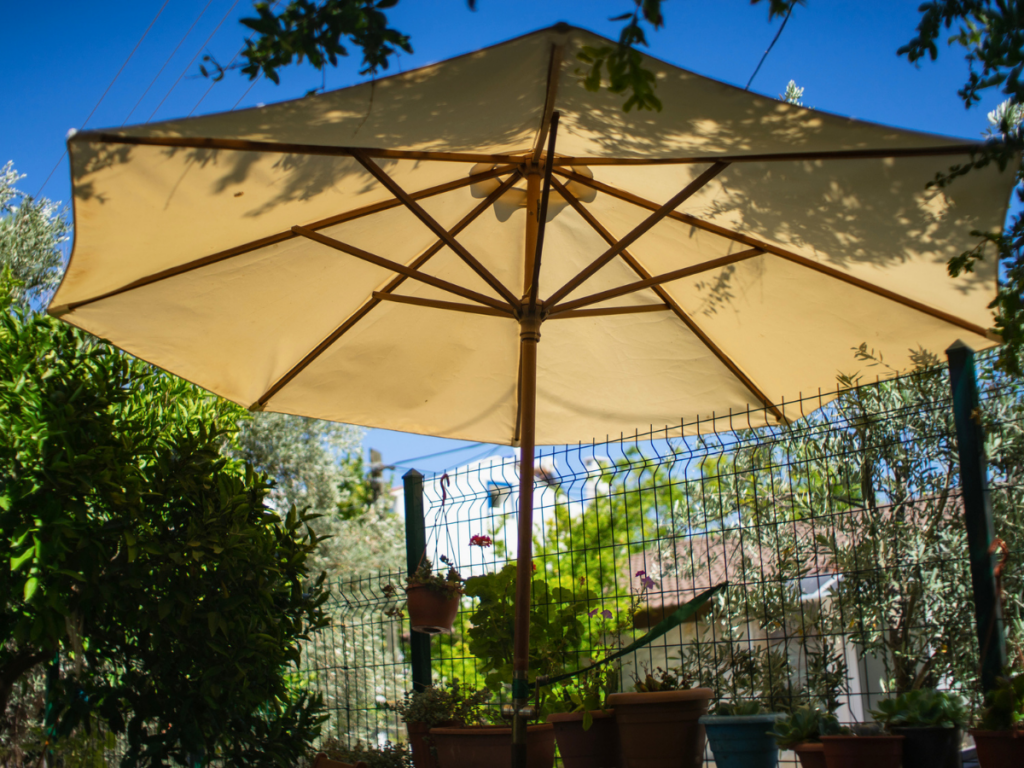
Rig shade in advance: Put up temporary shade cloth, netting, umbrellas or old sheets to block the harshest afternoon sun. Move containers to the shade and wrap pots with hessian to stop root zones from “cooking” on hot surfaces.
Hit pause on “growth” tasks: Avoid pruning or fertilising during an active heatwave — plants focus on survival, not growth. Added stress or lush new growth increases water demand right when it’s hardest to meet it.
Helping wildlife beat the heat (simple things that save lives)
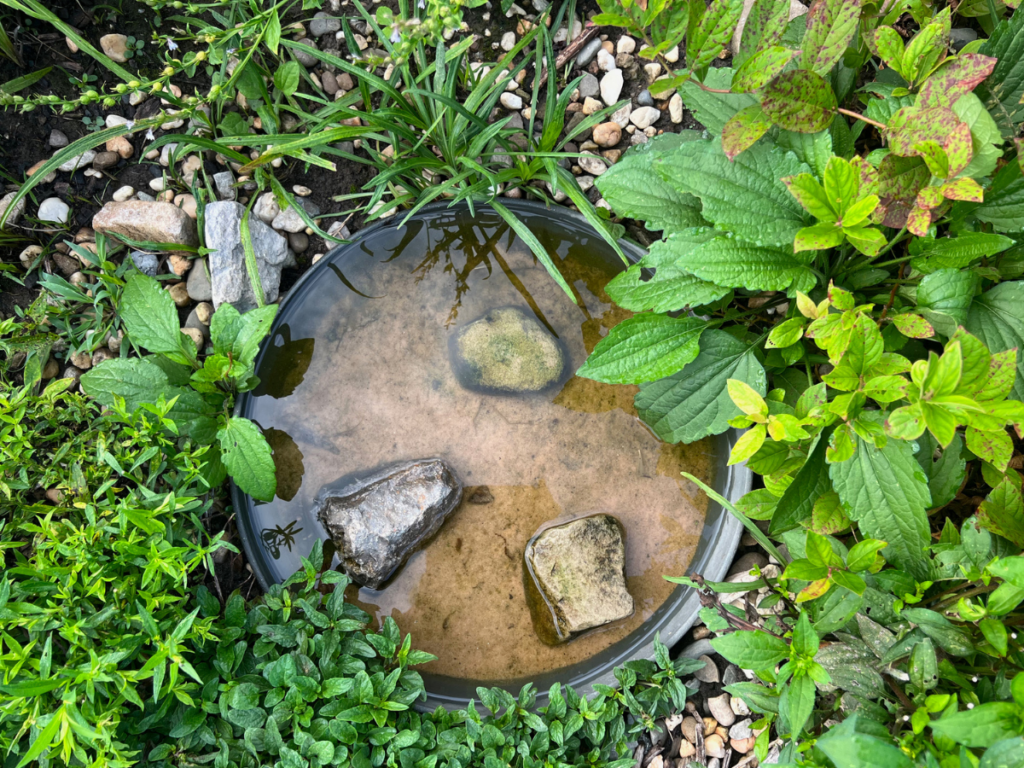
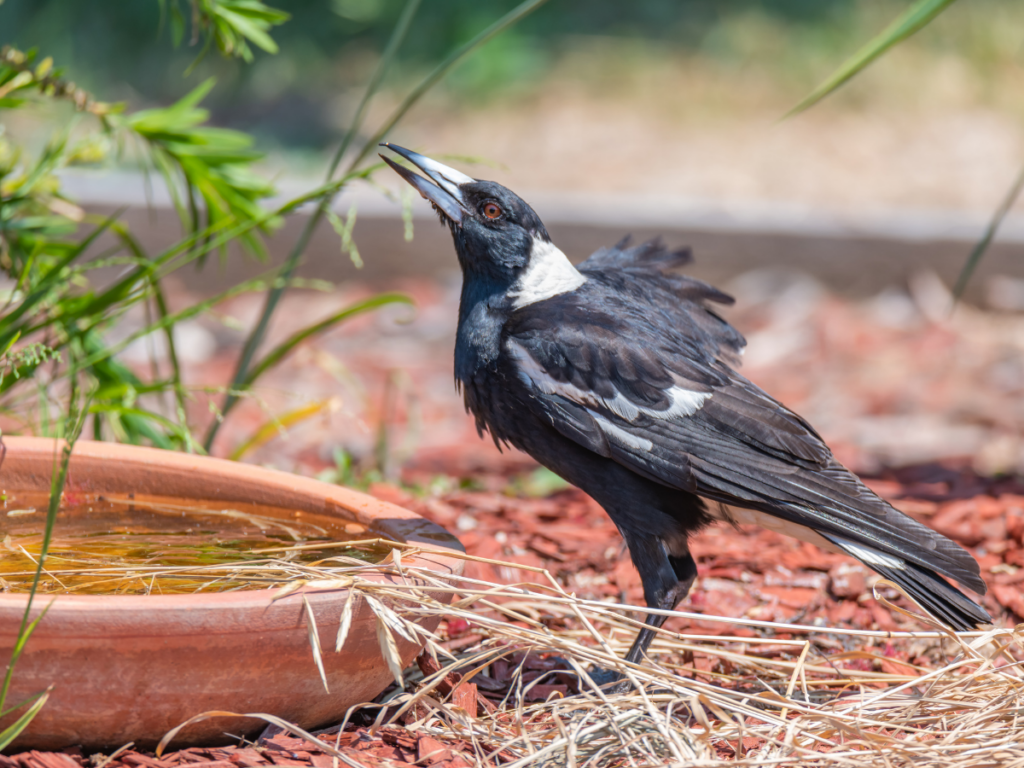
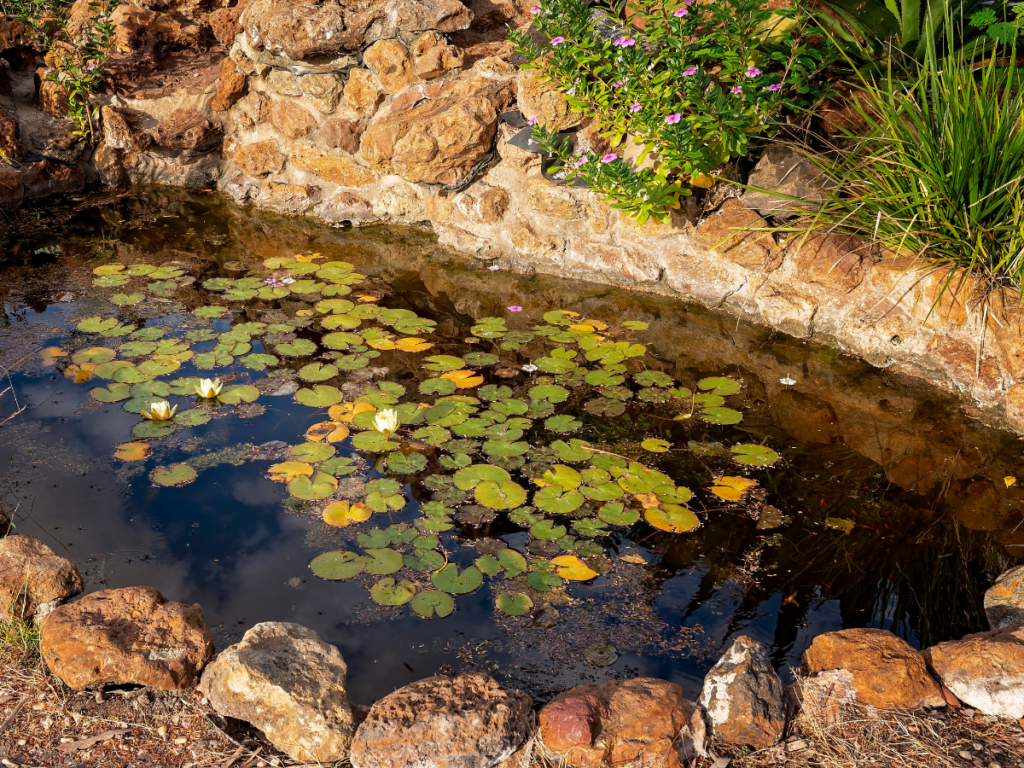
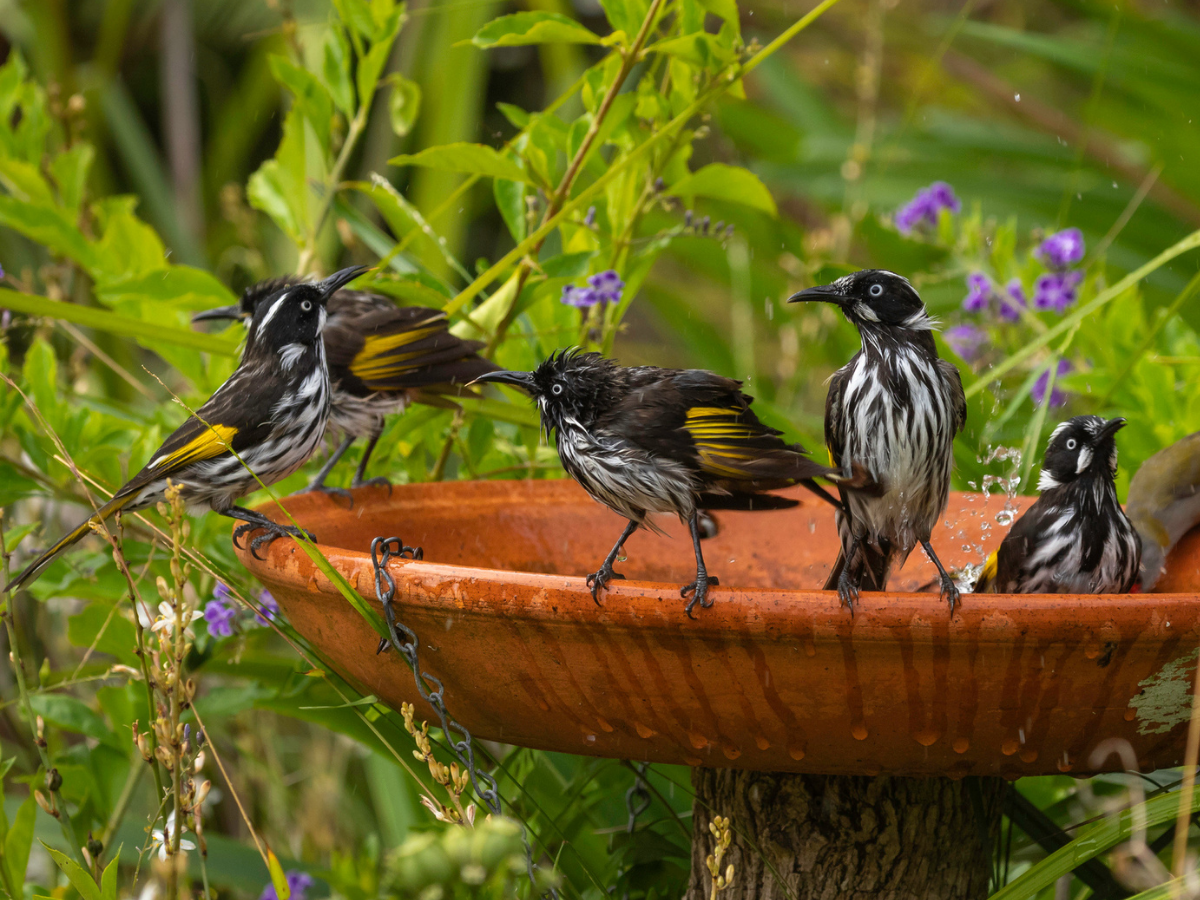
Put out water: Place several shallow dishes (at different heights) in shaded spots. Add pebbles or rocks so pollinators and small animals can stand to drink without risk of drowning. Refresh and clean daily to reduce disease risk.
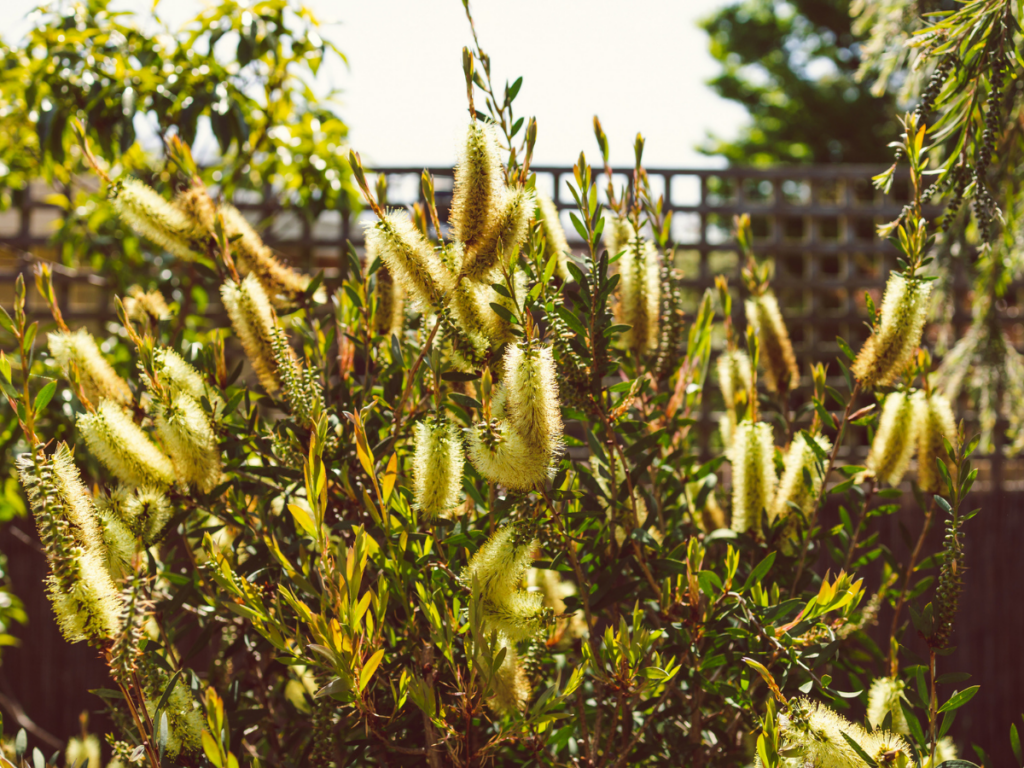
Create and protect shelter: Dense shrubs, native trees and untrimmed hedges provide cooler microclimates and refuge for animals. Avoid heavy trimming during heatwaves; shade is habitat right now.
Keep pets contained: Heat‑stressed birds and possums are vulnerable. Secure cats (especially at night) and walk dogs early or late so wildlife can access water undisturbed.
Skip the chemicals: Avoid pesticides and herbicides — stressed wildlife and beneficial insects are more susceptible to toxins, and chemicals can contaminate scarce water sources.
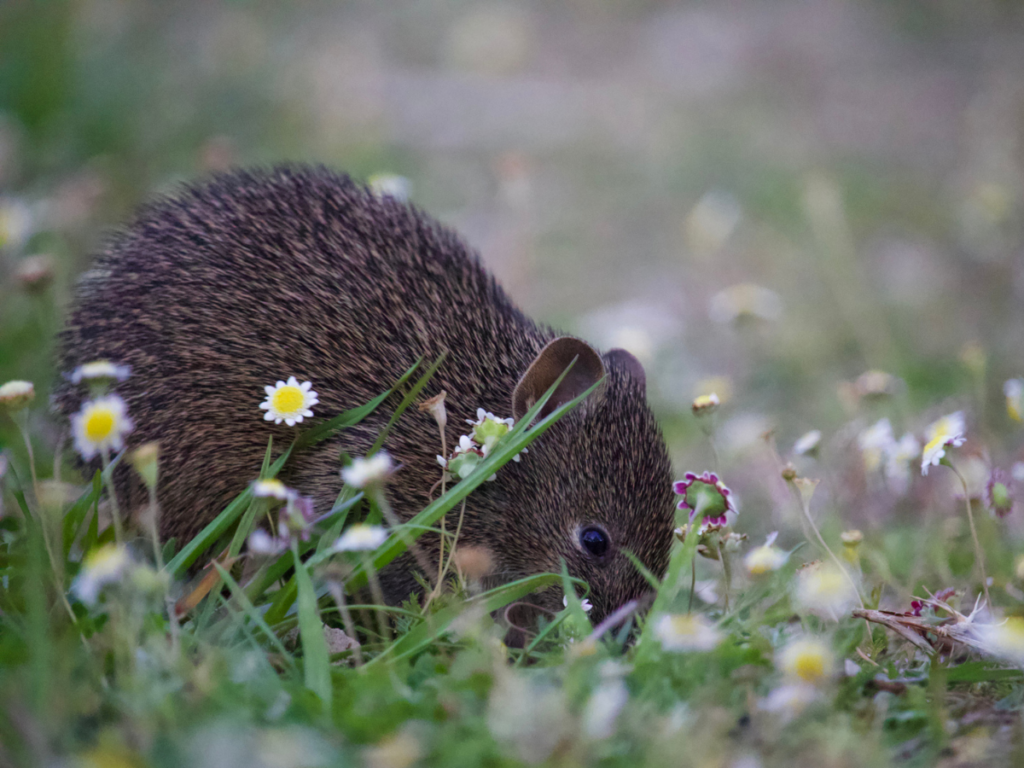
Know the signs of heat stress and what to do: Animals may appear lethargic, panting, disoriented, or be seen at unusual times and/or places (e.g., possums out by day). Offer water but do not feed them. Keep the animal in a cool, dark place if rescue is needed, and contact a wildlife carer or vet. Never handle bats or flying‑foxes unless vaccinated.
Think longer‑term resilience
Save seeds from heat-tolerant plants to future-proof your garden.
Build healthy soil with compost and organic matter for better water retention.
Choose climate-suited natives that thrive with less water and support biodiversity.
Plant during cooler months to establish greenery before summer.
Create shade and green spaces to cool your home and provide habitat for wildlife.
Why It Matters
As a result of climate change, heatwaves are becoming more frequent and intense in Australia and around the world. Impacts go beyond discomfort with heatwaves putting strain on energy grids, disrupting transport and agriculture, and increasing bushfire risk. They also cause mass wildlife mortality events when water and shelter are scarce.
Backyard actions add up. Shading, mulching and increasing canopy cover all cool your microclimate (and the street). When we look after our gardens and wildlife during heatwaves, we’re doing more than surviving summer — we’re building climate resilience right where we live.