
Background
The City of Armadale and the City of Gosnells have both invested in Battery Electric Vehicles (BEVs), within in their corporate fleet along with the charging infrastructure required to support them. This is in line with both LGAs commitment to climate change and the mitigation of corporate greenhouse emissions. The City of Armadale currently has six BEVs in its corporate fleet while the City of Gosnells has invested in nine. Battery Electric Vehicles (BEVs) otherwise known as Zero Emission Vehicles (ZEVs) differ from other types of Electric Vehicles (EVs) because they rely solely on an internal rechargeable battery pack for power. Alternatives such as Plug-in Hybrid Vehicles (PHEVs) and Hybrid Electric Vehicles (HEVs) rely on smaller batteries combined with fossil fuels (i.e. ULP or Diesel). The Royal Automotive Club of Western Australia (RAC) has an excellent online article, which further explains the difference between these three different types of EVs1Â as well as, answering a variety of frequently asked questions.
Charging up at the City of Armadale
The Western Australian Local Government Association (WALGA) coordinated applications of 129 local governments to install a total of 105 chargers to the Commonwealth Governments Australian Renewable Energy Agency (ARENA) Future Fuels Fund, which co-funded an equivalent amount of funds for EV chargers that the LGs invest in electric vehicles.
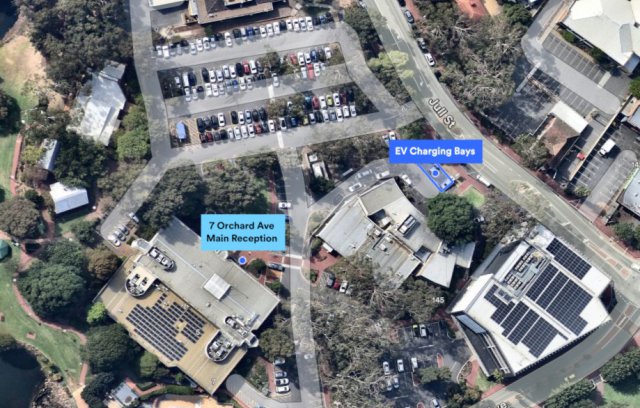
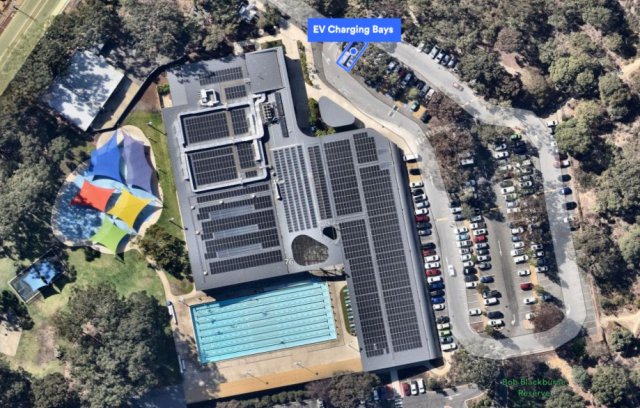
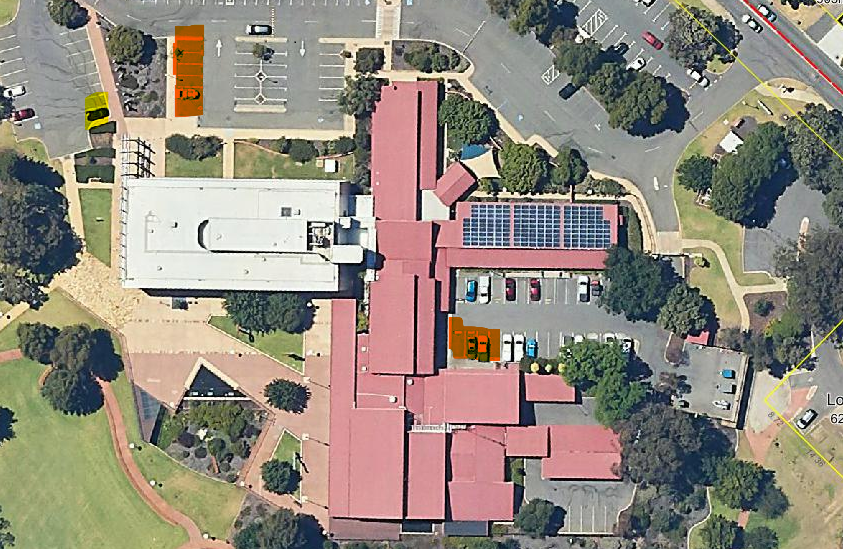
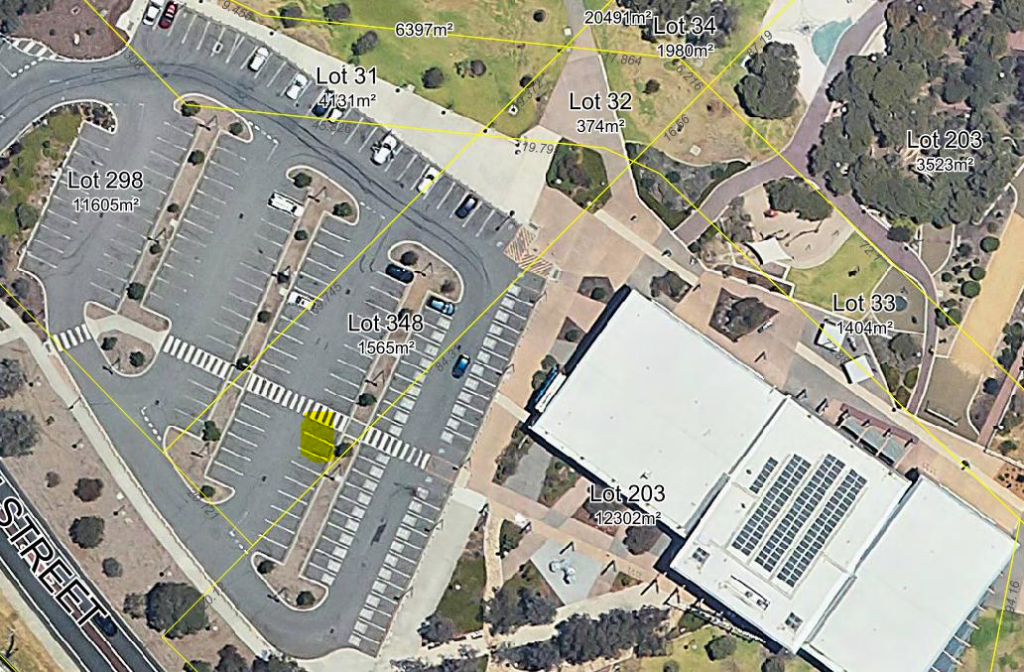
The City of Armadale joined WALGA in the application process, where the City added three BEVs to its fleet as a commitment to the program. The co funding received from ARENA enabled the City to install two, 22kW, dual port AC slow chargers at the Armadale Fitness and Aquatic Centre (AFAC). There are four bays at AFAC where vehicles can be charged simultaneously. The Administrative precinct installed one 60kW dual direct current (DC) fast charger and two 22kW dual AC slow chargers in the carpark at 145 Jull Street, Armadale. Â This site is planned for a future development for the City of Armadale Suburban University Study Hub (SUSH). This project is due to open in 2025.
The software used in all the chargers is ChargeHub. The ChargeHub app can be downloaded to your mobile phone which will enable you to charge your vehicle at all the chargers at AFAC and 145 Jull Street. The chargers are also on the Plugshare app for the public to find out the location of the chargers and understand which ports are available.
The AFAC and Jull Street chargers will be open to City of Armadale staff and the public to use, except for one of the DC bays at Jull Street, which will be reserved for the sole use of the City of Armadale’s corporate fleet. All chargers are operational from 4th December 2024. For further information on how to use the City of Armadale chargers as well as, charging rates please see the City of Armadale website.
Charging up at the City of Gosnells
The City of Gosnells by joining with WALGA was able to obtain funding from ARENA to install five 60kW dual DC fast chargers and a single dual 22kW AC slow charger at the City of Gosnells Civic Centre. the Mills Park Centre in Beckenham has also received a dual port 60kW DC Charger. One DC charger at the Civic Centre and the other DC charger at the Mills Park Centre are open to the public. The software used is ChargeHub, and the public can use the charger by downloading the ChargeHub app on their phone. Information on these two chargers including location and charge rates can be accessed also through the plugshare app. Both apps are available on both android and Apple devices. The remaining five chargers at the Civic Centre (four DC and one AC) will support the corporate fleet. As part of this funding program, the City of Gosnells bought electric vehicles to the matching funds received.
About the Staff BEV Lunch and Learn Sessions
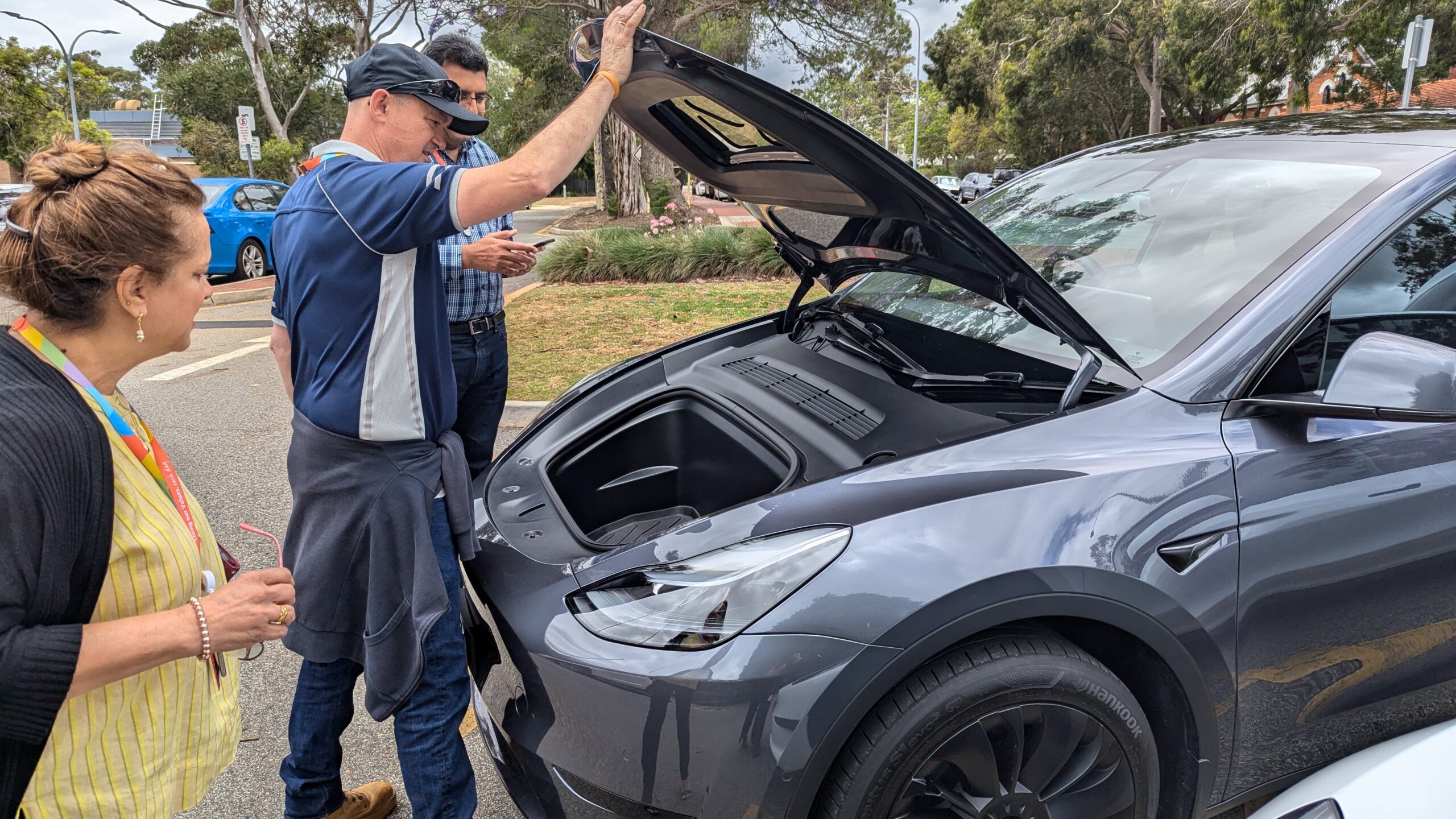
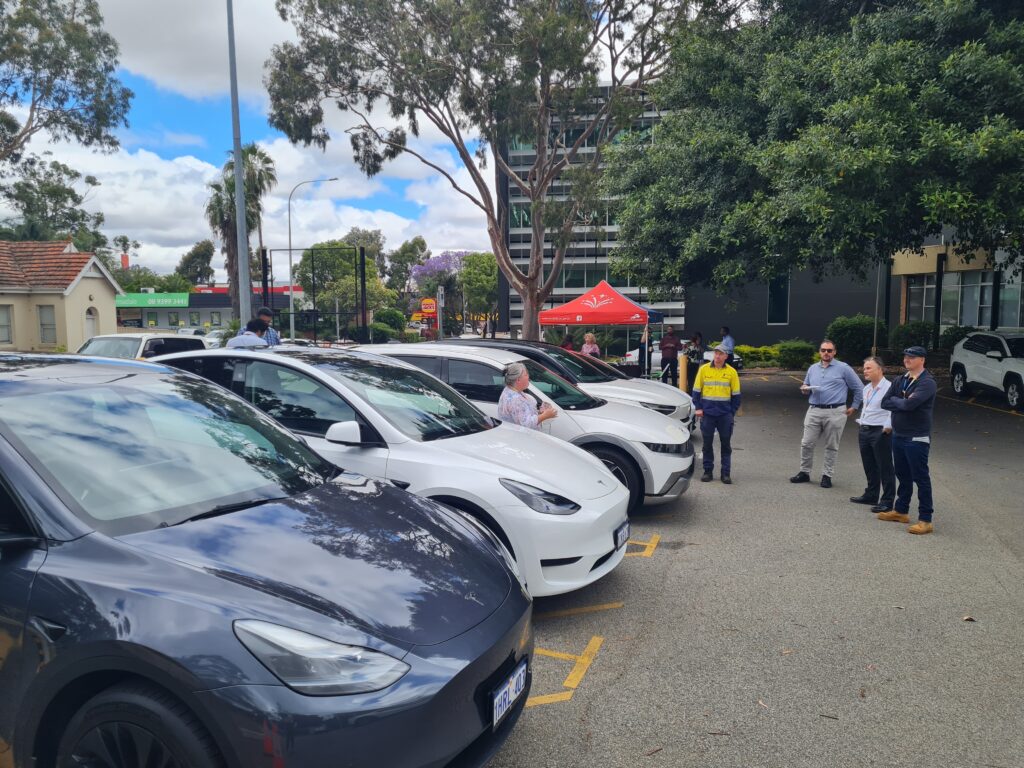
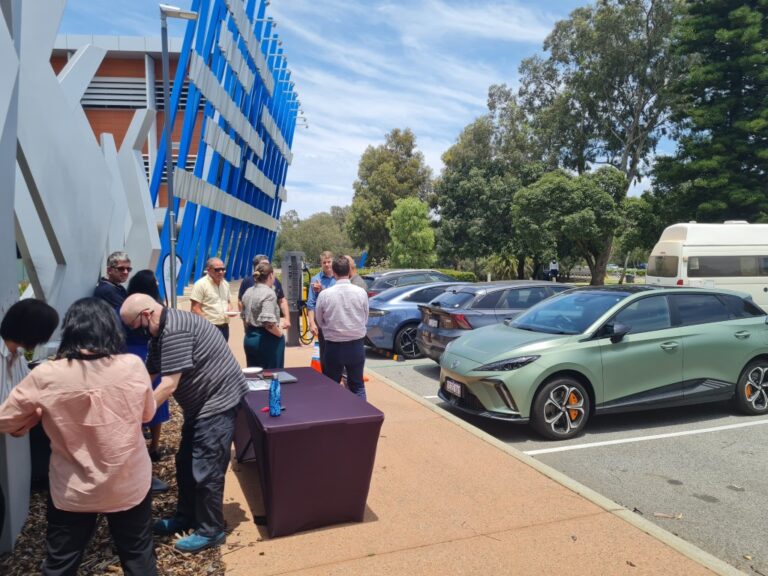
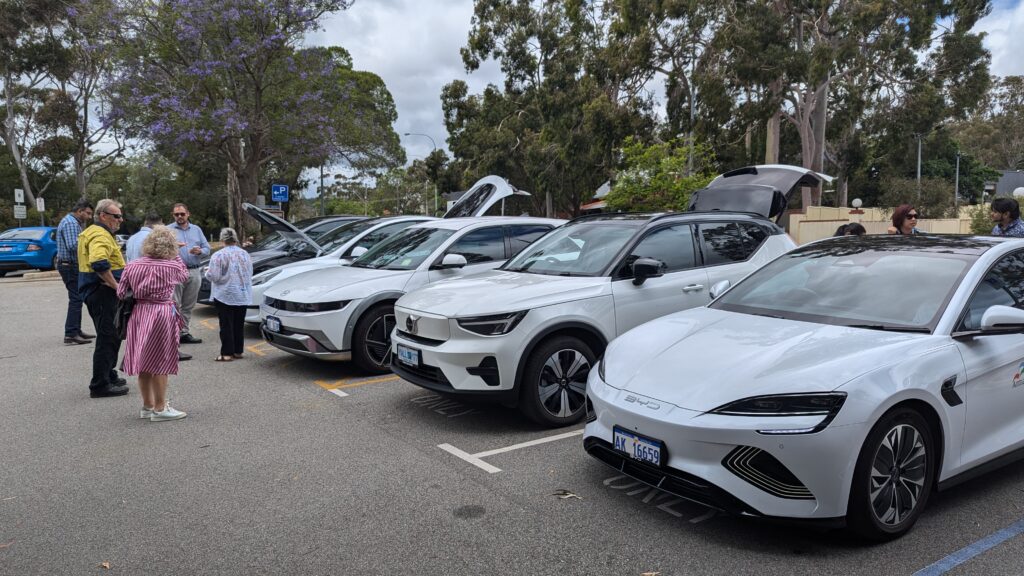
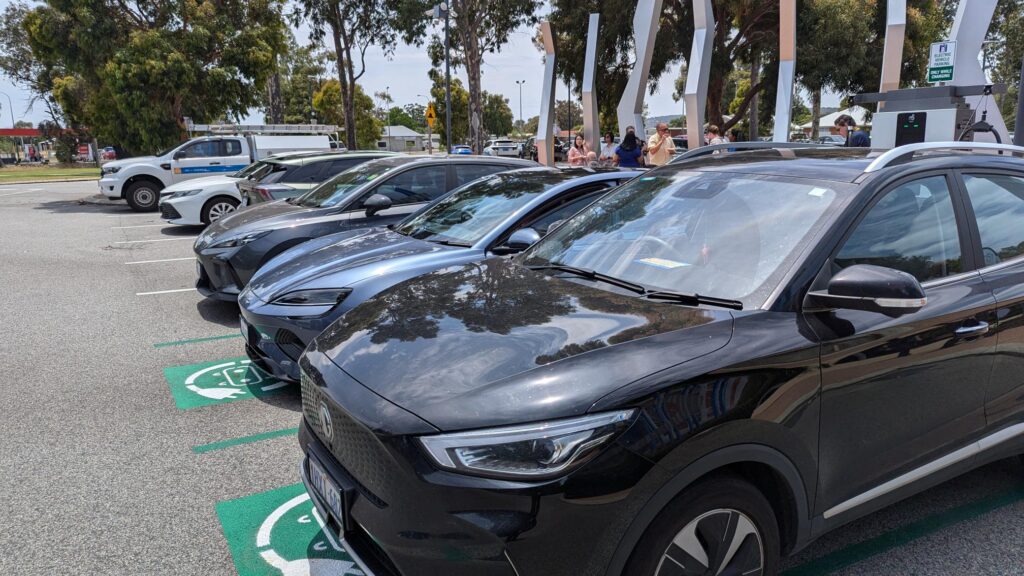
In November 2024, Switch Your Thinking (SYT) hosted two lunch and learn sessions for the staff at the City of Gosnells and the City of Armadale on BEVs. There was a display of a combination of corporate fleet and privately owned BEVs at both events such as the MG Excite 51, MG X Power, MG ZS, and BYD Seal at the Gosnells event. The Armadale event displayed a Hyundai Ioniq 5, BYD Seal, Volvo XC 40, and two Tesla Model Ys. It was a great opportunity for staff at both LGAs to come down and talk with colleagues who have either taken the plunge and invested in their own BEV or drive one of the BEVs in the corporate fleet. There was a good turnout with over 30 staff from both LGAs keen to learn more about the experience of owning/driving an EV.
Staff Testimonials
Common questions & concerns about EV ownership
The following issues were raised by staff during both events…
- What tax breaks, rebates and other financial incentives are available for different types of EV (i.e. HEVs, PHEVs & ZEVs)?
- What is the maintenance/running costs of operating an EV compared to an internal combustion engine (ICE) vehicle?
- What is the cost of insurance for an EV compared to an ICE vehicle?
- Is registering an EV with the Western Australian Department of Transport more or less expensive than registering an ICE vehicle?
- Cost of Roadside assistance of an EV compared to an ICE vehicle?
- What is the resale value of an EV comparted to an ICE vehicle?
- What is the average charging time of an EV and availability of charging stations for long distance driving?
- Safety concerns in relation to EV battery fires, especially in enclosed spaces such as garages and underground carparks?
Follow up and acknolwedgement
In the next blog article Switch Your Thinking will look to provide some information to readers in relation to common questions asked by staff on both days. Switch your Thinking would like to thank participating staff, especially BEV drivers who took the time to come and share their experiences with colleagues.
Footnotes
While Fuel Cell Electric Vehicles (FCEV) running on hydrogen are also mentioned in the RAC article, they have not been included in this article due to the current limited availability of FCEV vehicles and hydrogen refilling stations in Western Australia.